After 11 years producing corporate events across Sydney—from high-stakes government briefings at the ICC to product launches in the CBD—I have seen the good, the bad, and the disastrous when it comes to on-site media production. Too often, I see vendors showing up with excessive gear that serves no purpose other than to look impressive, while completely missing the mark on the actual deliverable: a high-quality interview that sounds crisp, looks professional, and is ready for swift internal sign-off.
When you are managing stakeholder approvals under tight deadlines, the last thing you need is a "creative" photographer who forgets to capture the necessary B-roll or a videographer who can't provide a clear chain of control. Whether you are seeking event photography for your internal portal or comprehensive video services for a highlight reel, the kit is only as good as the technician operating it.

Here is my definitive breakdown of what constitutes a professional, fit-for-purpose on-site interview kit, and why you should be asking your vendors exactly where the files are being edited and stored before you sign a single contract.
1. The Non-Negotiables: Lighting, Audio, and Backdrop Setup
In the world of Sydney corporate photography services, there is no substitute for precision. If your lighting is uneven or your audio is peaking, it doesn’t matter how good your keynote speaker looks—the asset is unusable. Here is the standard kit I demand for every on-site interview setup:
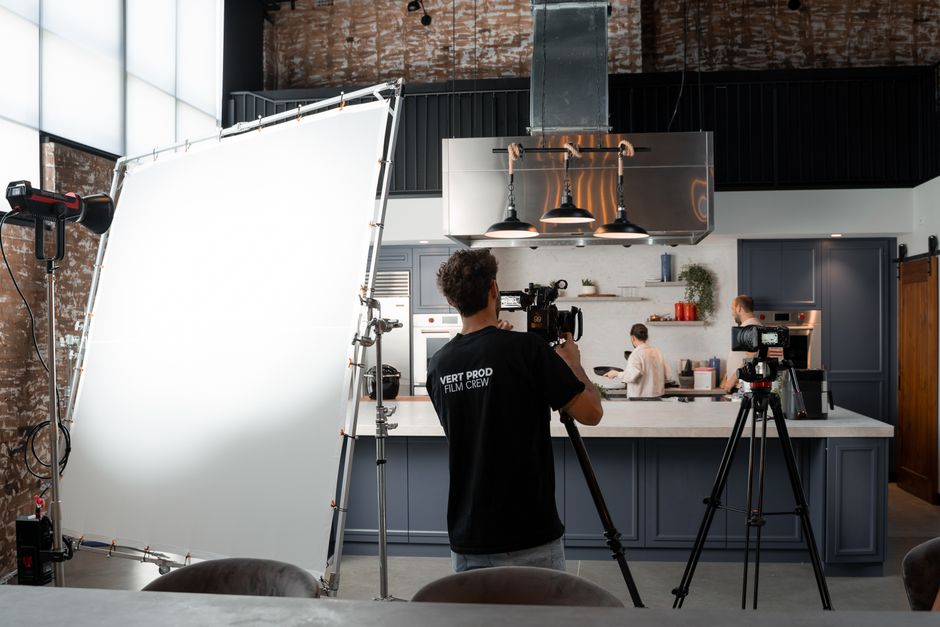
Lighting
Forget the obsession with cinema-grade lights that take an hour to rig. We need efficiency. A standard interview setup should include a three-point lighting kit (Key, Fill, and Hair light). I look for LED panels that allow for precise color temperature control (CCT) so we can match the ambient light of the venue. This prevents that "pasty" look often seen in poorly produced event videos.
Audio
Audio is 70% of the viewer's experience. If you provide a beautiful 4K video with hollow, echoey audio, your audience will click away in three seconds. My checklist always includes:
- Primary Lavalier Microphone: A professional-grade wireless system (like a Sennheiser G4 or Rode Wireless PRO). Backup Shotgun Mic: Always mounted on a boom or camera-top as a safety measure. Digital Recorder: Never rely solely on the camera’s internal pre-amps. Always record to a secondary device.
Backdrop Setup
Context is king. If the event space is chaotic, we use a portable, wrinkle-free pop-up backdrop. However, if the venue has a great aesthetic, we use depth of field to our advantage, blurring the background to keep the focus strictly on the subject. I always have a running checklist for VIP shots to ensure the background reflects the branding of the event.
2. Managing the Workflow: The Importance of Chain of Control
One of my biggest professional pet peeves is the "black box" editing process. I frequently see vendors who promise a quick turnaround but then ship footage overseas for offshored editing. For government initiatives or sensitive corporate product launches, this is a security nightmare.
When I hire event videography and highlight reels teams, I explicitly ask: Where will these files be edited and stored?
I insist on a clear chain of control. I want the editor to be reachable, local, and accountable. If there is a typo in a lower-third graphic or a stakeholder demands a sudden edit to a quote, I need to know the person making that change has access to the raw project file and is compliant with my data security requirements. Never accept "it's handled in the cloud" as an answer—always ask for the specific server location and backup protocol.
3. The Hybrid Approach: Efficiency Meets Quality
In many of the events I produce, we don't have the luxury of separate crews for stills and motion. This is where a hybrid photo and video approach (project-dependent) becomes the gold standard. By hiring a lead creative who understands both mediums, we save on floor space, minimize venue disruption, and reduce the number of stakeholders needing site access.
Component Purpose Sydney Corporate Standard Key/Fill LED Lighting Subject isolation High-CRI panels, daylight balanced Wireless Lavalier Crisp dialogue Dedicated frequency channels (avoiding Sydney's congested 2.4GHz) Portable Backdrop Clean visual aesthetic Matte finish to prevent glare/reflection Data Management Security & Chain of Control Local storage, encrypted transfer, no offshoring4. The Production Checklist: The "Sydney Producer" Way
To avoid the common pitfalls of missed keynote reaction shots or lack of coverage, I always enforce a strict session-by-session workflow. Everything is labeled by venue and session time. If I’m looking for an interview from the 10:00 AM coffee break, I shouldn’t have to sift through six hours of unlabelled footage.
Here is my essential on-site pre-flight checklist:
VIP Check: Have we captured the high-priority speakers with the correct backdrop? Audio Sync: Have we performed a tone test to ensure the record levels are consistent? B-Roll Coverage: Have we filmed the "reaction" shots of the audience to stitch into the highlight reel later? Storage Audit: Are all SD cards formatted? Is there an offload drive for immediate backup on-site? Session Labeling: Are the file folders named [Date]_[Venue]_[SessionName]_[Format]?Final Thoughts: Don't Get Oversold
If a vendor tries to sell you overnight video highlights on a 12-camera setup for a simple executive interview, walk away. They are overselling gear instead of delivering outcomes. The best corporate events are those where the media team is invisible, efficient, and, most importantly, prepared to deliver high-quality content that adheres to your internal approval workflows.
Whether you need a full-day production crew or a compact hybrid kit, the focus should always be on the story being told, not the size of the camera lens. By demanding local control, clear storage protocols, and a rigorous approach to technical setup, you ensure that your event's digital legacy is in safe, professional hands.
Are you planning an upcoming event in NSW? Let's ensure your media team is asking the right questions before they walk through the door.