As a former veterinary receptionist who spent nine years behind the front desk, I’ve heard the “wait and see” conversation more times than I care to count. A dog limping slightly is one of the most common reasons for a phone call, and I completely understand the hesitation. You don’t want to be the "panic client" rushing in for a minor sprain, but you also don't want to ignore a ticking time bomb.
The landscape of UK veterinary care has shifted dramatically since 2016. If you feel like your vet bills are ballooning, you aren’t imagining it. Between rapid price inflation and the consolidation of independent practices into large corporate groups, the cost of "just popping in" has risen sharply.
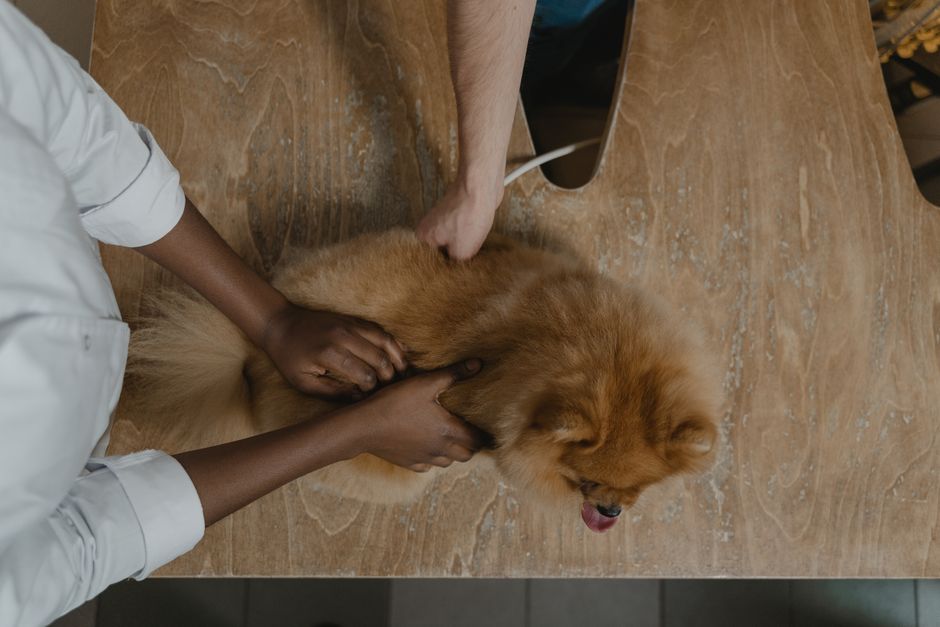
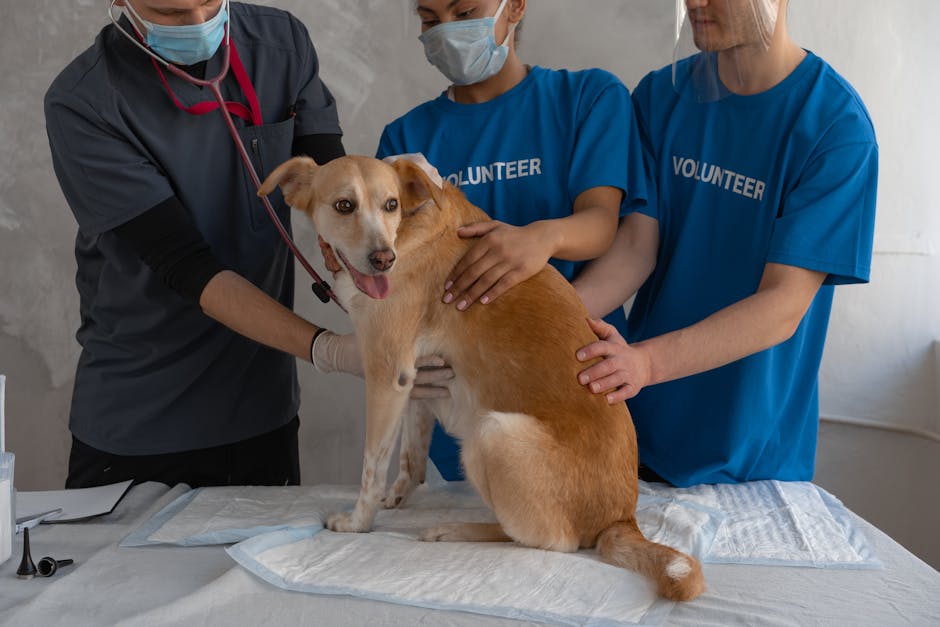
The Cost of Inaction: Why "Wait and See" Can Be Expensive
I’ve seen owners delay a consultation for a "slight" limp only to find that what could have been managed with restricted exercise for a few weeks spiralled into a cruciate rupture, potentially costing £5,000+ in specialist surgery. While not every limp requires an emergency appointment, the golden rule of veterinary medicine remains: catch problems early to avoid the compounding costs of chronic pain and advanced diagnostics.
The Reality of Price Inflation (2016-2023)
Since 2016, we have seen a significant increase in veterinary service costs. This isn't just about the price of a consultation; it’s the markup on consumables and medications. If your vet prescribes anti-inflammatories, you might be looking at a bill of over £100 for a course of treatment, depending on your dog’s size. When you factor in the consultation fee, a simple diagnosis can quickly cross the £200 threshold.
The CMA Investigation: What You Need to Know
You may have seen news regarding the Competition and Markets Authority (CMA). They recently launched a review into the veterinary sector, concerned about a lack of transparency in pricing and the impact of corporate ownership. Many local-looking surgeries are now owned by huge conglomerates. If your vet doesn't clearly display their price list on their website, that is exactly the kind of transparency issue the CMA is looking at. You can find the latest updates on the GOV.UK website regarding these ongoing reforms.
3-Step Action Plan: Handling a Limping Dog
When you spot a limp, don’t just sit on it. Follow these three steps to protect your dog’s health and your wallet:
The 24-Hour Observation Rule: Restrict your dog to lead-only exercise for 24 hours. No jumping on the sofa, no ball chasing, and no stairs. If the limp has not improved or has worsened by the next morning, call the vet. Perform a Home Check: Gently examine the paw. Look for thorns, matted fur between the toes, or cracked pads. If you see swelling or feel heat in the joint, skip the wait and book the appointment. Request a Prescription: If the vet prescribes long-term medication, ask for a written prescription rather than buying the meds directly from the clinic. This allows you to use online pharmacies, which can save you significant money.Managing Costs: The Pharmacy Workaround
One of my biggest pet peeves is the "hidden fee" associated with medication markups. If your dog needs ongoing anti-inflammatories, never assume your clinic’s price is the only price. Once you have a prescription, you are free to shop around. Always check prices at Licensed online pharmacies:
- VetUK Pet Drugs Online Animed Direct
These sites are regulated and, in my experience, often significantly cheaper than in-clinic prices. Your vet might charge a fee for writing the prescription, but even with that fee, you will often find yourself well ahead financially on a monthly basis.
Insurance and Transparency
Insurance is a minefield. I’ve seen too many clients discover too late that their policy doesn’t cover "pre-existing conditions" or that their excess is so high it’s barely https://www.thepennypincher.co.uk/post/why-are-vet-bills-so-expensive-in-the-uk-what-the-cma-investigation-means-for-dog-owners worth claiming. Before your pet’s health becomes an issue, use a policy comparison tool like Perfect Pet to ensure you actually have the coverage you think you have. Don't be swayed by salesy language; look at the percentage of the bill covered and the annual limits.
Comparison of Typical Costs
Service Typical Price Range Notes Consultation Fee £45 - £80 Higher in cities/referral centres. Radiographs (X-rays) £300 - £700 Often requires sedation. Pain Relief (Monthly) £20 - £60 Significant savings via online pharmacies. Cruciate Surgery £2,500 - £6,000+ Depends on technique and weight.Questions to Ask at the Desk
Next time you walk into your local practice, don't be afraid to ask these questions. It’s your money, and you deserve to know where it’s going.
- "Is this practice part of a larger corporate group, and if so, do you use central pricing or independent fee structures?" "Could you provide a detailed itemised estimate for this diagnostic plan before we proceed?" "If this requires long-term medication, what is your fee for a written prescription?" "Are there alternative, lower-cost diagnostic options if the first scan is inconclusive?"
Final Thoughts
Watching your dog limp is stressful, but panic often leads to expensive, unnecessary tests. By taking a measured approach—resting for 24 hours, checking for obvious injuries, and being savvy about where you source medication—you can manage your dog’s care without falling into the "unlimited budget" trap. Always remember: you are the primary advocate for your dog's health and your own bank account. Don't be afraid to ask questions, check the CMA guidelines on the GOV.UK site, and insist on transparency.
Disclaimer: I am a writer with years of experience in veterinary administration, but I am not a vet. If your dog is in acute distress, unable to bear weight at all, or showing signs of shock, please ignore the "wait" advice and get to an emergency clinic immediately.