The topic of cannabis legality is often mired in confusion, especially when it comes to accessing cannabis-based products via prescriptions. A common query — particularly in the UK — is whether holding a private prescription for cannabis means cannabis is no longer illegal. This article unpacks the legal nuances around "private prescription UK," controlled drug classifications, and the significant changes that occurred in November 2018. Along the way, we'll clarify common terms such as "Class" vs "Schedule," and explain why NHS access remains limited to specialists, highlighting the role companies like Nationwide Pharmacies play in this niche market.
Understanding Controlled Drugs: Class vs Schedule
First, it’s important to clarify some terminology that often causes confusion: the difference between "Class" and "Schedule" when talking about controlled substances like cannabis.
What is a Controlled Drug?
A controlled drug is any substance listed in UK legislation that is subject to strict regulation due to potential for misuse. Cannabis has been controlled for decades, but its categorisation impacts how it is policed, prescribed, and used legally.
Classifications (Class A, B, C)
The misuse of drugs is governed primarily by the Misuse of Drugs Act 1971 (MDA 1971), which categorises drugs into Classes A, B, and C based on perceived harm:
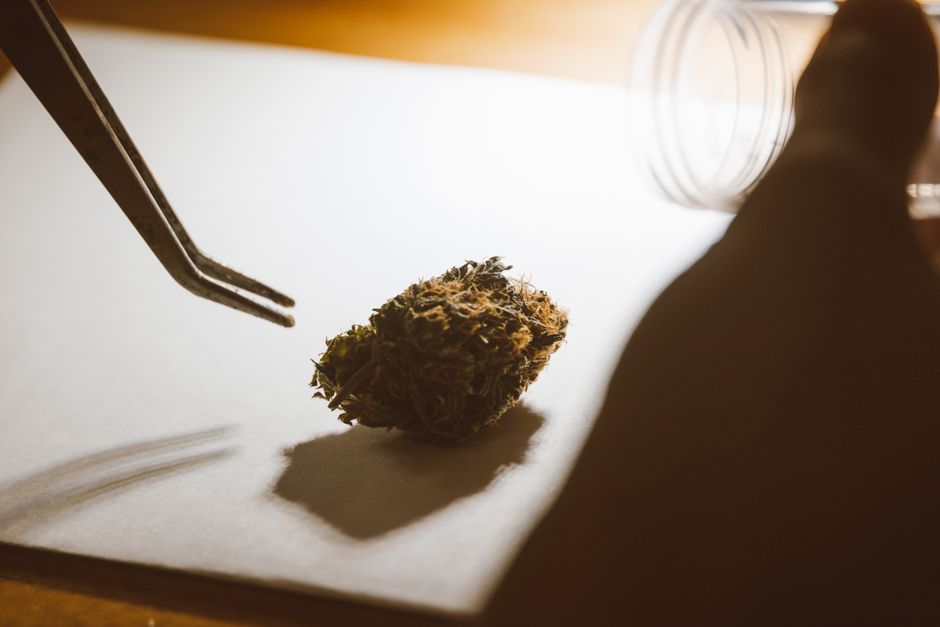
- Class A: Most harmful substances, e.g., heroin, cocaine Class B: Medium risk; cannabis falls here Class C: Lower risk; e.g., tranquillisers
Cannabis is a Class B drug under this Act. This means possession, supply, or cultivation without authorisation is illegal and can result in criminal prosecution.
Scheduling (Schedules 1-5)
Separately, drugs are “scheduled” under the Misuse of Drugs Regulations 2001, which determines how controlled drugs can be prescribed, possessed, manufactured and supplied in healthcare and pharmacy contexts. The scheduling status affects the regulatory framework that medical professionals and pharmacies must follow.

Before 2018, cannabis was designated as Schedule 1, implying no medical use and essentially no prescriptions except via a Home Office licence. This changed in 2018, as we’ll cover next.
Takeaway: The Class of a drug relates to criminal law penalties, whereas the Schedule controls medical use and prescription regulations.
What Changed in November 2018?
On 1 November 2018, the UK Government reclassified cannabis-derived products for medicinal use by rescheduling them from Schedule 1 to Schedule 2 under the Misuse of Drugs Regulations 2001. This was a landmark shift acknowledging legitimate medical benefits for cannabis-based products.
- Cannabis-based medicinal products (CBMPs) became prescribable by specialist doctors with appropriate expertise and licences. This created a lawful exception to the illegality of cannabis possession and supply, specifically for defined medical purposes.
However, this change did not legalise recreational cannabis. Instead, it created a framework for bespoke medicinal prescribing, often in complex clinical situations with no alternative treatment options.
Since then, a handful of licensed cannabis medicines (e.g., Epidyolex for epilepsy) and unlicensed CBMPs are available to patients, often accessed via private prescriptions.
Takeaway: cannabis production sentencing uk The November 2018 change allowed prescriptions for cannabis-based medicines but did not legalise cannabis itself.
Why Cannabis Remains Illegal Under the 1971 Act
Despite medical rescheduling, cannabis remains a Class B drug under the Misuse of Drugs Act 1971. This dual status means:
Possession, supply or cultivation of cannabis outside authorised medical use remains a criminal offence. Illegally sourced cannabis products remain prohibited regardless of private or NHS status. Only prescribed cannabis-based medicines obtained from licensed pharmacies and under strict medical oversight are lawful.In legal language, cannabis has a "lawful exception" for medicinal use but this is not the same as "legalisation," which would remove criminal penalties altogether.
This subtlety is often lost in media headlines claiming "cannabis is legal now," causing misconception. The law still punishes recreational possession and supply.
Takeaway: Cannabis’s status as a Class B drug criminalises non-prescribed possession, even though medicinal use has lawful exceptions.
Specialist-Only Prescribing: Why NHS Access is Limited
Under UK law, only consultants (senior specialist doctors) on the General Medical Council’s Specialist Register can legally prescribe cannabis-derived medicines. This specialist-only rule was introduced for clinical safety and due to limited evidence for wide-scale use.
- NHS prescribing is rare: Most specialist consultants remain cautious or reluctant to prescribe cannabis medicines due to limited robust clinical trials and regulatory complexities. Private prescriptions fill the gap: Patients who struggle to get prescriptions on the NHS often turn to private healthcare providers and specialist clinics. Nationwide Pharmacies: This company specialises in dispensing private prescriptions for cannabis-based products, ensuring regulatory compliance and safety.
Therefore, having a private prescription UK for cannabis means that a specialist doctor has lawfully authorised access to cannabis-based medicine despite the general prescription restrictions.
It's key to recognise this does not override cannabis's controlled drug status outside the prescription scope. It merely allows individuals to access medically prescribed cannabis legally and safely from licensed pharmacies like Nationwide Pharmacies.
Takeaway: Cannabis prescriptions are limited to specialists; private prescriptions are often the only practical route for patients outside NHS availability.
Private Prescription UK: What Does It Really Mean?
A private prescription for cannabis-based medicine means a registered medical practitioner (usually a specialist) issues a prescription outside of the NHS framework. Patients then acquire this prescription via outpatient clinics and fulfil it through licensed pharmacies.
Key points include:
- The prescription must comply with the 2018 reclassification and controlled drug regulations. Dispensing is usually handled by specialist pharmacies, such as Nationwide Pharmacies, who understand the strict handling, storage and monitoring requirements for CBMPs. Private prescriptions differ from NHS prescriptions in cost, accessibility, and regulatory oversight.
Crucially, the private prescription is a lawful exception which temporarily sets aside the default illegality of cannabis strictly for the product specified and dose administered. It is not a legalisation of cannabis wholesale.
Takeaway: Private prescriptions enable legal access within a tightly controlled framework, distinct from broad legalisation.
Summary: What Having a Private Cannabis Prescription Really Means
Aspect Explanation Legal status of cannabis Class B drug; generally illegal except under defined medical exemptions Scheduling changes in 2018 Moved cannabis from Schedule 1 to Schedule 2 for medical use; allowed prescribing by specialists Private prescription A lawful exception by which a specialist prescribes cannabis medicine; not a legalisation NHS access Very limited and specialist-only; most prescriptions issued privately Role of pharmacies Licensed pharmacies such as Nationwide Pharmacies dispense private cannabis prescriptions complying with regulationIn essence, having a private prescription UK for cannabis does not stop cannabis from being illegal in general; it creates a narrow, lawful exception within a highly controlled regime. Understanding these distinctions clarifies many misconceptions often encountered.
Further Resources
- UK Government cannabis-based medicinal products guidance Nationwide Pharmacies – Specialist cannabis medicines dispensary Misuse of Drugs Act 1971 Misuse of Drugs Regulations 2001
For those considering private prescriptions for cannabis medicines, it’s vital to consult regulated specialists and reputable pharmacies to ensure compliance with UK laws and patient safety standards.
Final takeaway: Private prescribing of cannabis medicines is a lawful, specialist-only exception within a broader illegal framework — not a licence for free cannabis use.