For many startups and scale-ups managing cash efficiently, understanding monthly account fees and minimum balance thresholds with your business checking account is critical. In particular, for those banking with Chase, avoiding recurring fees can save hundreds if not thousands annually. But how exactly do minimum balances waive these monthly fees? And how does this tie into broader treasury management strategies involving idle cash yield, FDIC insurance, and bank sweep options?
In this post, we’ll unpack how Chase’s business checking tiers work, the role of minimum balance thresholds in fee waivers, and real-world best practices from companies like Rho, Arc, and Grasshopper that are innovating cash management for startups. We'll also dive into essential concepts like FDIC sweep networks, ICS (Insured Cash Sweep) participation, and balancing cash safety against yield preferences.
Understanding Chase Monthly Account Fees and Waivers
Chase’s business checking accounts come with monthly service fees that can often catch early-stage companies off guard if ignored. These fees are designed to cover the costs of account maintenance, transactions, and the overall banking relationship.
Typical Monthly Fees for Chase Business Checking
Account Tier Monthly Service Fee Minimum Balance to Waive Fee Other Waiver Criteria Business Complete Banking $15 $2,000 daily balance Make $2,000+ in purchases on Chase Ink® Business credit card Chase Performance Business Checking $30 $35,000 daily balance Receive $2,000+ in qualifying purchases monthly Chase Platinum Business Checking $95 $100,000 daily balance High cash flow and transaction volume customersWith balances below these minimums, the monthly fee is automatically assessed. However, if you maintain or exceed these thresholds, Chase will waive the service fee for the month.
How Minimum Balances Waive Fees
Chase calculates the daily collected balance, and if your account’s average meets the stated minimum, the monthly fee waiver applies. Meeting these thresholds can sometimes be challenging for startups with unpredictable cash flow or for those who prefer lean operating balances.
But why hold such minimums? The bank views higher average balances as a source of stable funding, which justifies reduced monthly fees. For account holders, maintaining minimum balances can be a balancing act to minimize fees without sacrificing liquidity.
Treasury Yield vs Bank APY: The Idle Cash Dilemma
Many startups and founders face a common treasury question: should cash sit in zero-yield checking or earn some yield elsewhere? Chase business checking accounts traditionally offer a very low or zero APY (Annual Percentage Yield). So, your idle cash isn’t working hard if left here.
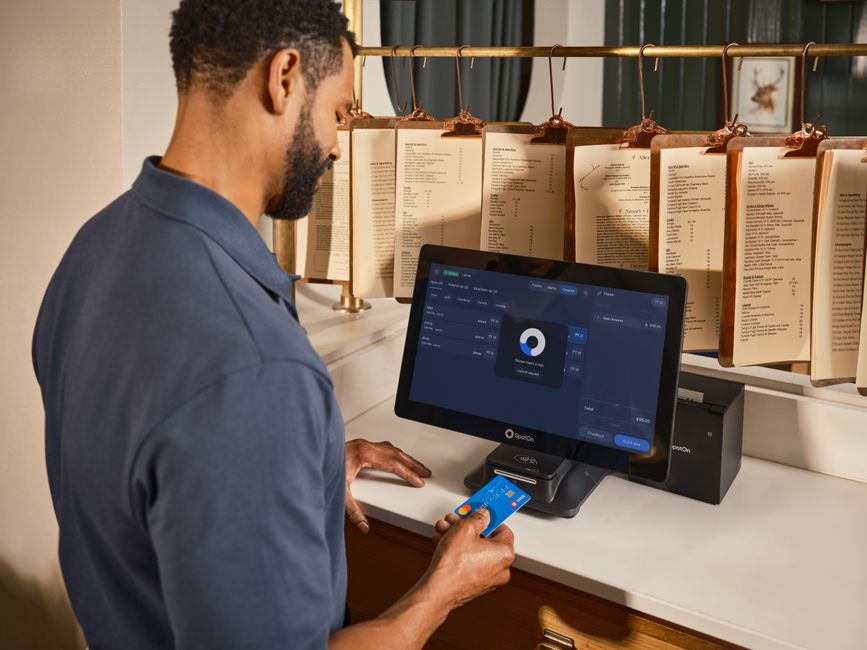
Idle Cash in Zero-Yield Checking
Money parked in a standard Chase business checking account is safe and liquid but earns little to no interest. While this ensures immediate availability and simplicity, inflation and opportunity cost eat into the real value over time.
Idle Cash Yield Alternatives
To generate some yield, startups often leverage:
- Rho: Innovative platforms like Rho combine banking and spend management while offering cash sweep programs that maximize FDIC insurance coverage and yield potential. Arc: Designed for modern businesses, Arc offers capabilities to optimize spend and cash positioning, integrating with treasury tools to enhance yield on idle funds. Grasshopper: Focuses heavily on ICS (Insured Cash Sweep) participation, placing excess cash across multiple banks to keep funds safe while earning interest.
These fintechs lean heavily on integration with FDIC sweep networks to safely extend coverage and yield beyond the standard limits of a single bank account.
FDIC Insurance and Sweep Networks – Your Safety Net
One critical factor that startups sometimes overlook is Federal Deposit Insurance Corporation (FDIC) limits. Chase, like any other U.S.-based bank, insures deposits up to $250,000 per depositor, per bank.
Why FDIC Insurance Matters
For treasurers and finance leads, the safety of cash is paramount. Cash parked beyond FDIC insured limits exposes your company to counterparty risk—what if the bank fails?
The Role of FDIC Sweep Networks
To mitigate this risk and still keep cash productive, many businesses use FDIC sweep networks. Here’s how they work:
- Excess cash is automatically “swept” or distributed in smaller increments across dozens (or even hundreds) of participating banks. This fragmentation keeps each deposit under the $250,000 FDIC insurance threshold. Funds remain liquid but benefit from diversification and larger total insured capacity.
Platforms like Grasshopper specialize in ICS participation—meaning they leverage FDIC-insured sweep services to maximize insured deposit coverage while offering access to interest earnings on these distributed funds.
Balancing Cash Safety and Counterparty Risk
Choosing where and how to keep your idle cash is a nuanced decision. Here are some best practices considering venues like Chase versus fintech treasury management providers.
Using Chase Business Checking Safely
Pros:
- Easy access and trusted institutional backing. No surprises; Chase has longstanding commercial banking roots. Monthly fee waivers reduce hidden costs if you maintain minimum balances.
Cons:
- Limited yield on idle cash. FDIC insurance capped at $250,000. Minimum balances to waive fees may require holding more cash than strategically ideal.
Enhanced Yield & Safety via Fintech Tools
Services like Rho, Arc, and Grasshopper offer solutions that:
- Allow businesses to keep cash productive by participating in sweep networks and ICS programs. Provide integrations to manage cash flow, automate sweep transfers, and often no minimum balance fees. Distribute funds across multiple FDIC member banks to reduce counterparty exposure.
For example, Grasshopper’s participation in the ICS sweep network ensures deposits are broken into $250,000 blocks and placed in multiple banks, vastly increasing total FDIC coverage without sacrificing liquidity.
Business Checking Tiers and Optimizing Your Monthly Account Fees
Choosing the right business checking tier at Chase or any provider depends on your company’s cash volume, spending habits, and cash management strategy.
Estimate monthly average balances: Are you usually above $2,000 or closer to $35,000? This will determine which tier makes sense. Calculate potential fee waivers: Consider whether meeting minimum balances or qualifying activity thresholds is achievable. Evaluate opportunity costs: Is the cash better parked in yield programs offered by fintech platforms, factoring in safety via FDIC sweeps? Factor in transactional needs: Some tiers offer higher free transaction counts or additional perks that may offset fees.Ultimately, startups should aim to:
- Maintain minimum balances strategically to avoid unnecessary fees if banking with Chase. Consider hybrid cash strategies—using Chase for operational liquidity and fintech-led sweep services for excess cash. Regularly review account fee statements and cash allocation to optimize treasury yield versus cost.
Conclusion
The mechanism to waive monthly account fees at Chase — primarily via meeting minimum balance thresholds — is straightforward but requires careful cash management discipline. Yet, maintaining these balances in zero-interest checking can ignore the treasury imperative to grow idle cash.
Tools and platforms such as Rho, Arc, and Grasshopper provide new avenues to address these challenges by leveraging FDIC sweep networks and ICS participation, enabling businesses to safely increase yield without compromising liquidity or cash safety.
By understanding the interplay between business checking tiers, fees, FDIC insurance limits, and treasury yield options, startups and growing companies can make smarter, more holistic cash management decisions to protect and grow their 2% cashback business card cash reserves.
